The Billion Dollar Problem
How Mobile Security Is Revolutionizing Construction Site Theft Prevention
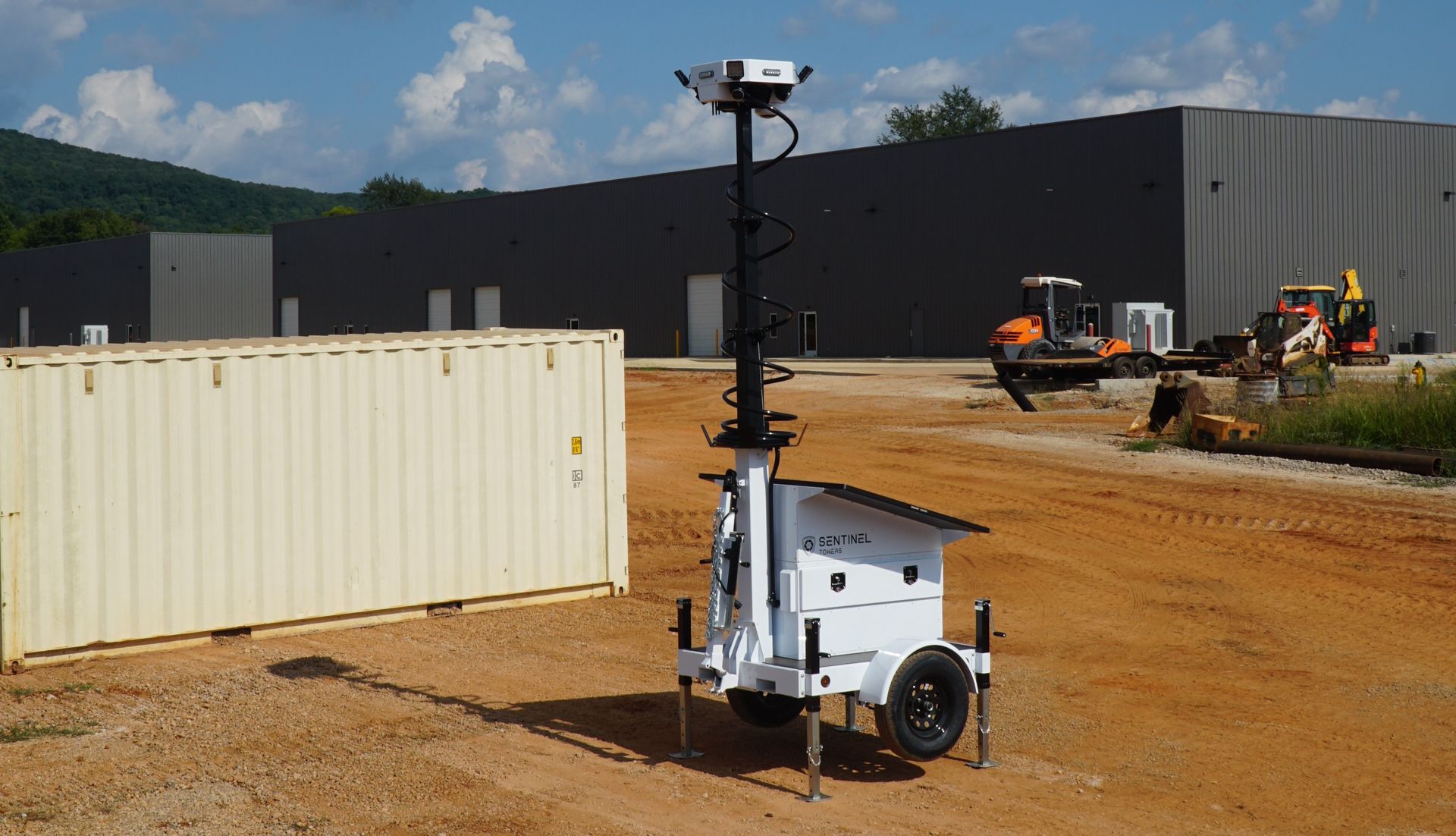
Every morning, construction site managers across America arrive at their jobsites hoping to see the same equipment, materials, and tools they left the night before. Too often, they're met with a devastating reality: gates cut open, equipment missing, copper wire stripped from the walls, and project timelines thrown into chaos. It's a billion-dollar crisis that's crippling projects and threatening the viability of construction businesses nationwide.
The Staggering Cost of Construction Site Theft
The construction industry faces estimated annual losses exceeding one billion dollars from equipment theft alone, and that figure doesn't even account for stolen raw materials, project delays, or lost productivity. According to the National Equipment Register, individual theft incidents average around $30,000, with some incidents reaching far higher.
The numbers are sobering. Nearly a third of construction managers report experiencing theft on their sites every week, creating a constant drain on resources and morale. For many contractors, especially smaller operations, even a single significant theft can mean the difference between profitability and financial ruin.
What's Being Stolen From Your Jobsite?
Thieves aren't discriminating—if it has value, it's a target. The most commonly stolen items from construction sites include:
- Heavy Equipment and Machinery: Wheeled or tracked loaders, backhoes, and skid steers are among the top stolen equipment, with some pieces valued at hundreds of thousands of dollars. Stolen trucks alone average losses exceeding $40,000 per incident.
- Copper and Metals: Approximately one billion dollars worth of copper is stolen annually from various locations including construction sites. Thieves don't just take exposed copper—they rip apart buildings to access wiring and piping, causing damage that far exceeds the material's resale value.
- Power Tools: There's a thriving black market for both new and used power tools. Workers sometimes forget to secure these items at the end of shifts, making them easy targets for theft and quick resale on platforms like online marketplaces.
- Raw Materials: Lumber prices have increased by more than 300% since April 2020, making construction materials incredibly attractive to thieves. When material costs skyrocket, so does the incentive for theft.
Project Delays That Cascade Into Chaos
When critical equipment or materials disappear, work stops. It's that simple. Delays caused by theft can extend project timelines by days or even weeks, disrupting the carefully coordinated schedules of various trades working on site. When electricians can't work because their tools were stolen, when framers can't continue because lumber disappeared overnight, or when excavation halts because a backhoe was taken, the entire project timeline shifts.
These delays create a cascading effect. Subcontractors scheduled for next week must be rescheduled. Materials ordered for specific dates arrive too early or too late. Labor costs balloon as workers stand idle or need to be redeployed. What starts as a single theft incident can snowball into weeks of disruption and thousands in additional costs.
Contractual Penalties and Damaged Relationships
Construction contracts often include strict deadlines with financial penalties for late completion. When theft causes delays, contractors may face liquidated damages that compound their losses. Missing a deadline by even a few days can result in thousands of dollars in penalties, strained client relationships, and damaged reputations that affect future bidding opportunities.
Insurance Nightmares
Frequent theft claims can lead to higher insurance premiums, creating a vicious cycle where theft not only causes immediate losses but also increases the long-term cost of doing business. Some contractors face policy cancellations or find themselves unable to obtain adequate coverage after repeated claims, leaving them vulnerable to catastrophic losses.
Even when insurance covers the stolen equipment, contractors must pay deductibles and wait for reimbursement while still meeting payroll and project obligations. This cash flow disruption can strain even well-capitalized businesses.
The Recovery Problem
Here's perhaps the most frustrating reality of construction site theft: you'll probably never see your stolen equipment again. Recovery rates for stolen construction equipment hover around 20% in most years. Other sources suggest less than 25% of stolen construction materials are ever recovered, with some studies indicating recovery rates across all targets are less than 7%.
Unlike stolen vehicles, which have standardized VINs and robust law enforcement tracking systems, heavy equipment relies on serial numbers and PINs that aren't uniformly recorded nationwide. Thieves know this. They quickly move stolen equipment across state lines or export it before the theft is even discovered. By the time you realize your skid steer is gone, it could already be in another state or listed for sale under a fake serial number.
This dismal recovery rate means that when equipment is stolen, you're almost certainly replacing it, not recovering it. The financial impact is total and permanent.
Where Theft Strikes Hardest
Construction site theft isn't distributed evenly across the country. California, Texas, and Florida are the states most affected by site crime, with Texas and Florida cities dominating the top ten locations for equipment theft. The concentration is striking: the top 10 worst-affected states account for over 63% of all theft in the USA.
Urban construction sites face high theft rates due to population density and proximity to resale markets, but rural sites aren't safe either. Remote locations often lack adequate security measures and have limited law enforcement presence, providing thieves with more time to operate undetected.
August sees the highest rates of construction theft, coinciding with peak construction activity when sites are most active and materials most plentiful. Holiday weekends—Memorial Day, Labor Day, and Thanksgiving—also see significant spikes in theft as criminals exploit the extended periods when sites are unattended.
Why Construction Sites Are Such Easy Targets
Understanding why construction sites attract thieves helps explain why traditional security measures often fail.
- Temporary Nature: Construction sites are inherently temporary. This transient quality leads many managers to view robust security as an unnecessary expense. After all, the site won't be there in a few months—why invest in permanent security infrastructure? This mindset creates vulnerability that thieves exploit.
- High-Value Assets in Open Spaces: Construction sites contain hundreds of thousands or even millions of dollars worth of equipment, tools, and materials spread across large, open areas. Multiple entry points, evolving site layouts, and a constant flow of authorized personnel make it difficult to monitor who belongs on site and who doesn't.
- Inadequate Security Measures: Despite the value at risk, many construction sites still rely solely on chain-link fencing and padlocks. These passive barriers barely slow down determined thieves with bolt cutters. Many construction sites still lack quality security measures, leaving assets essentially unprotected overnight and on weekends.
- Limited Law Enforcement Response: When sites are located in developing areas or rural locations, police response times can be lengthy. By the time officers arrive, thieves have often loaded equipment onto trailers and disappeared. The lack of immediate consequences emboldens criminals.
- Organized Crime Operations: Construction theft isn't just opportunistic individuals looking for tools to pawn. Organized construction theft crime is on the rise, with incidents becoming more sophisticated and damaging. Professional theft rings know what equipment is most valuable, how to move it quickly, and where to sell it with minimal risk of detection.
The Mobile Security Revolution
Traditional security approaches—stationary guards, basic fencing, or fixed camera systems—have proven insufficient against modern construction site theft. The solution that's transforming the industry combines mobility, advanced technology, and proactive deterrence: mobile security towers.
Why Mobile Security Is Dominating the Market
The mobile surveillance tower market is experiencing explosive growth, and for good reason. The market is expanding with a CAGR of 9.7%, while the autonomous security tower market is expected to reach $4.8 billion by 2034, growing at a CAGR of 15.2%. This isn't just market speculation—it reflects real-world adoption by construction companies that have found mobile security to be a game-changing solution.
Several factors drive this dramatic market growth:
- Flexibility and Rapid Deployment: Mobile security towers can be deployed in minutes without requiring permanent infrastructure, electrical connections, or complex installations. As construction sites evolve and expand, towers can be relocated to cover new areas or moved to entirely different projects. This adaptability means security coverage evolves with your site.
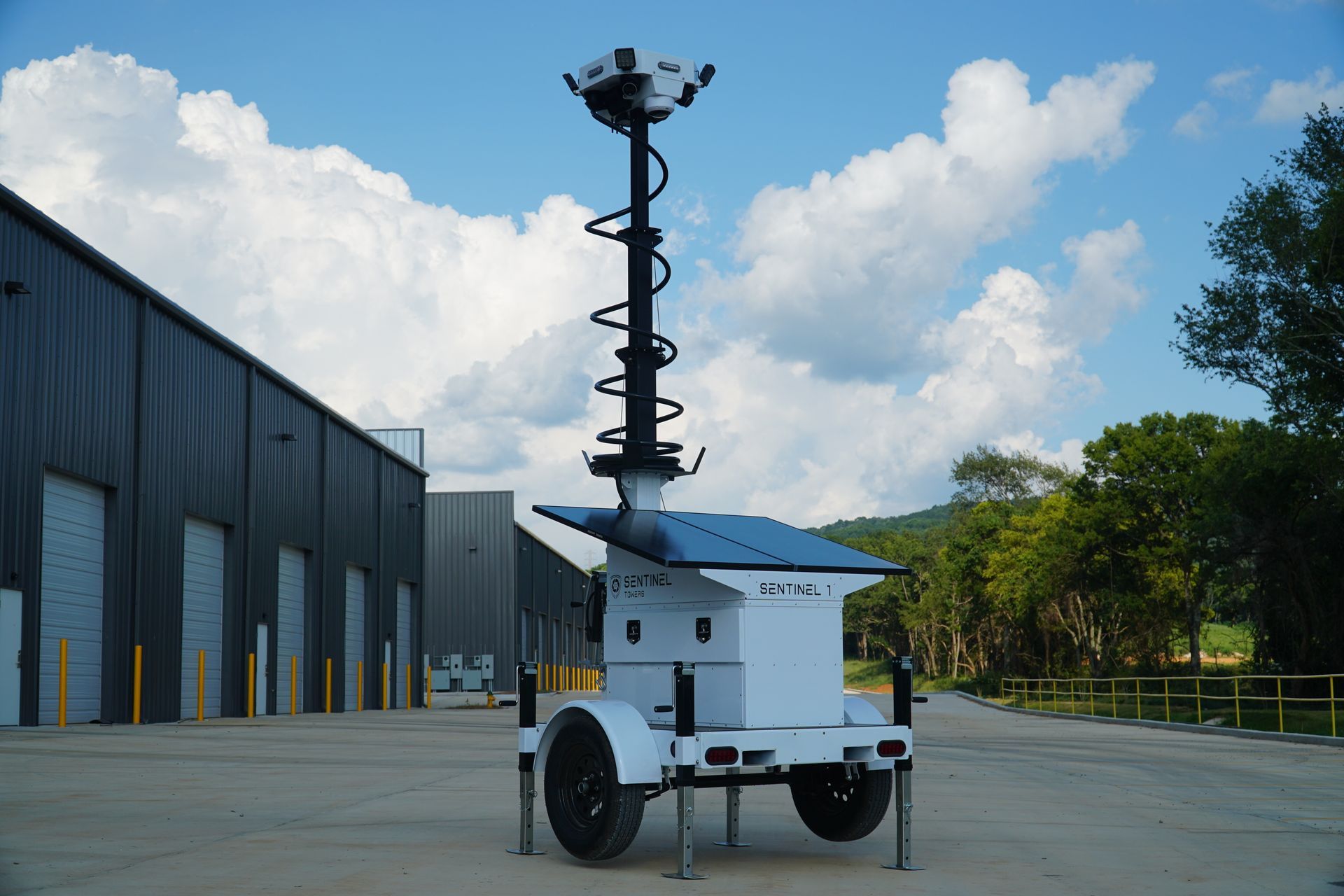
- Solar Power and Energy Independence: Modern mobile security solutions leverage solar power and hybrid energy systems, allowing operation in remote locations without grid access. Solar-powered and hybrid solutions dominate with 67.5% market share, driven by their reliability and sustainability. This energy independence eliminates the need for generators, fuel costs, and the security vulnerabilities associated with power connections.
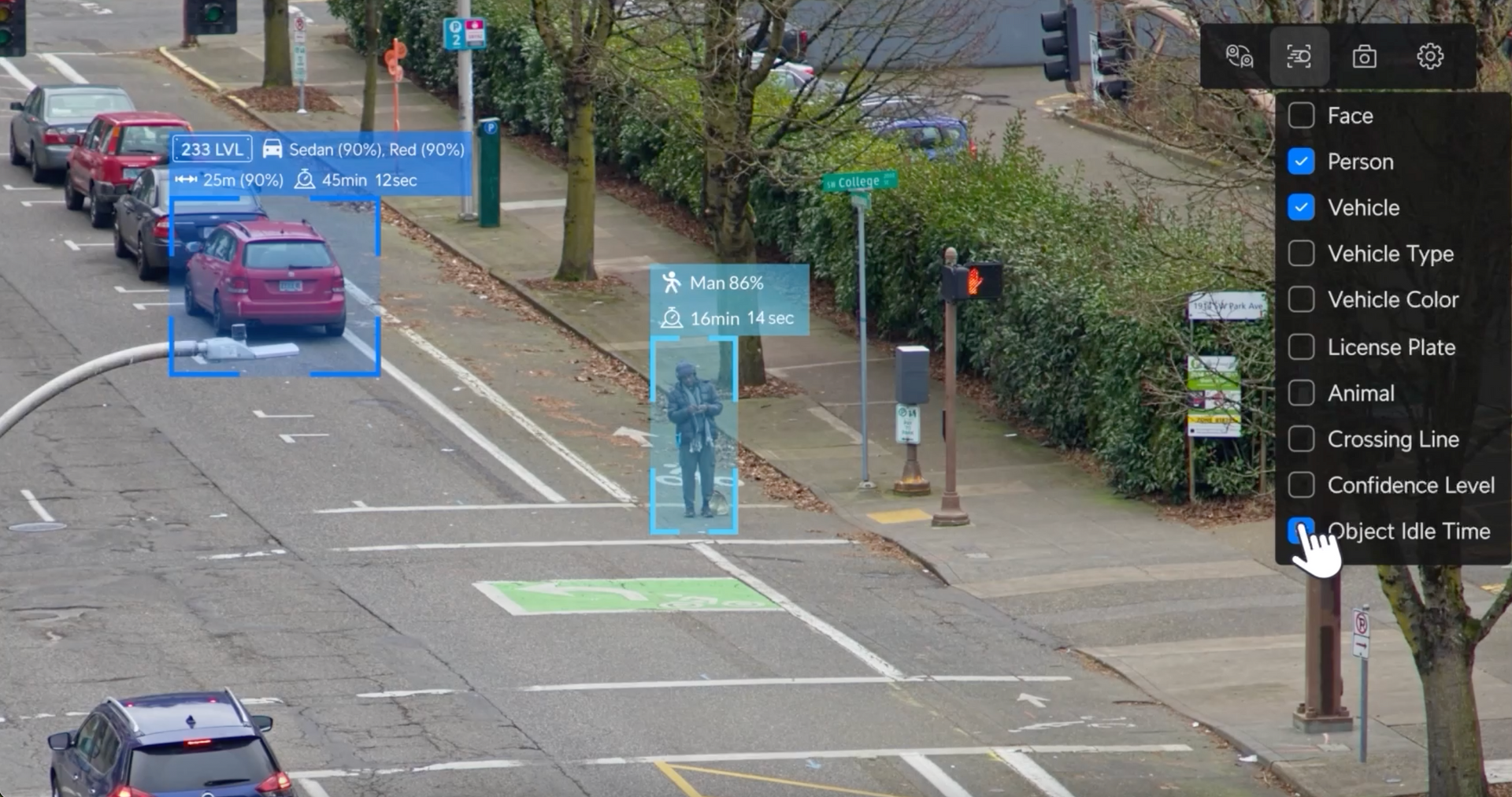
- Advanced Technology Integration: Today's mobile security towers aren't just camera poles—they're sophisticated surveillance platforms. They integrate high-definition cameras with AI-powered analytics, motion detection, thermal imaging, and real-time alert systems. These technologies distinguish between a trespasser and a stray animal, reducing false alarms while ensuring genuine threats receive immediate attention.
- Proven Theft Reduction: The statistics speak for themselves. Industrial deployments show a 68% reduction in theft and 90% deterrence of trespassing. The visible presence of elevated cameras with obvious surveillance capabilities makes criminals think twice before targeting a site.
- Cost-Effectiveness: While security guards cost $15-25 per hour plus benefits and easily exceed $50,000 annually for a single position, mobile security towers provide 24/7 coverage at a fraction of the cost. They don't take breaks, call in sick, or require supervision. For large sites requiring multiple guard positions, the cost savings multiply dramatically.
How Mobile Security Towers Work
Modern mobile security solutions represent a convergence of multiple technologies working in concert to provide comprehensive protection.
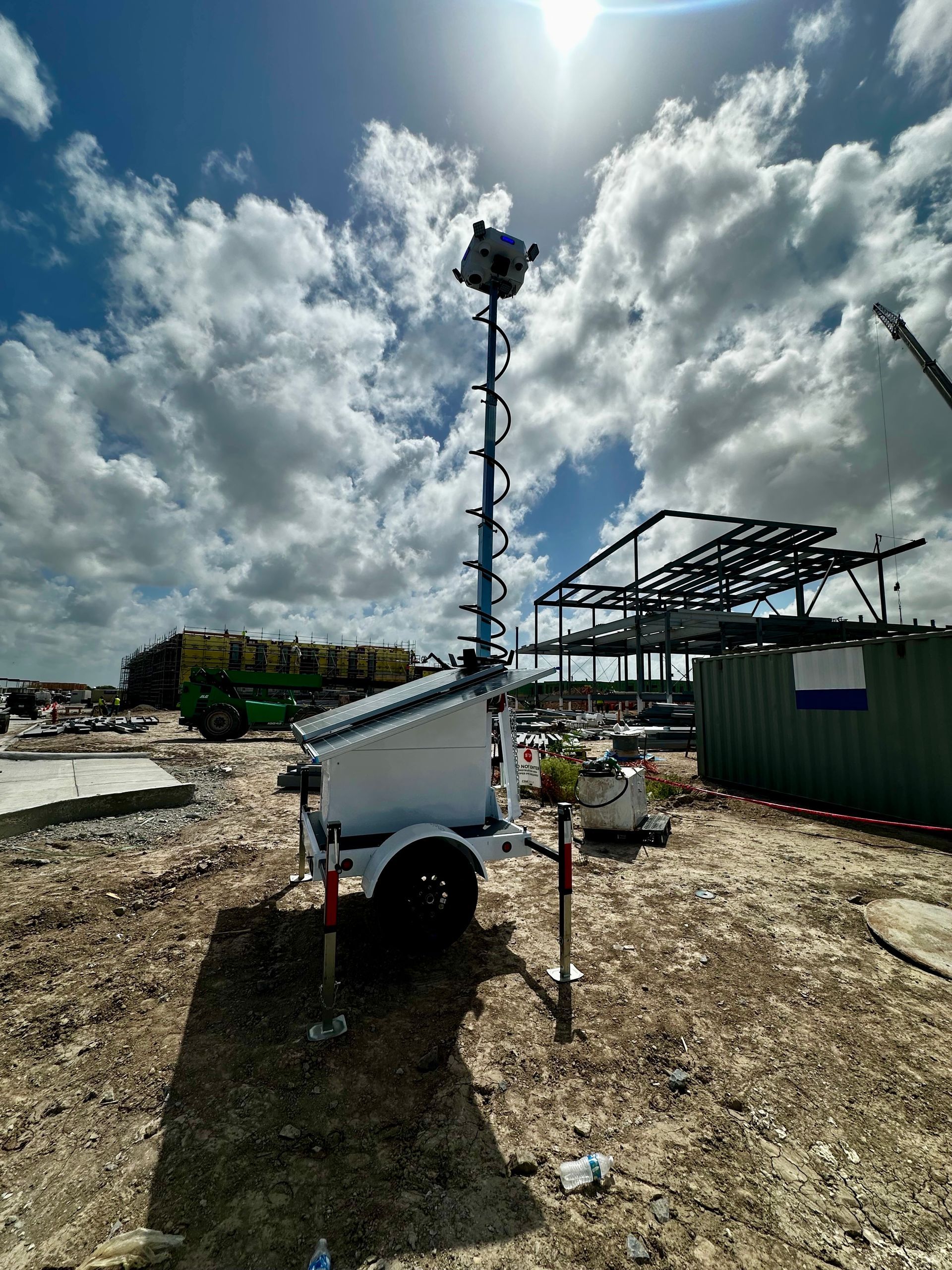
- Elevated Surveillance: Mounted on telescoping masts that extend 10-30 feet high, cameras provide sweeping views of construction sites that ground-level cameras can't match. This elevation creates clear sight lines over fences, materials stockpiles, and equipment, eliminating blind spots where thieves might hide or work undetected.
- AI-Powered Detection: Artificial intelligence analyzes video feeds continuously, distinguishing between authorized personnel, vehicles, animals, and potential threats. When the system detects unusual activity like someone climbing a fence at 2 AM, a vehicle entering through a cut gate, or movement in restricted areas, it triggers immediate alerts to security personnel.
- Real-Time Monitoring and Response: Modern mobile security towers connect to centralized monitoring centers staffed 24/7 by trained security professionals. When an alert triggers, operators immediately review live video, assess the situation, and respond appropriately. This might include activating loudspeaker warnings, contacting on-site security, or dispatching law enforcement with detailed descriptions of the incident in progress.
- Integrated Deterrents: Beyond passive recording, mobile security towers actively deter crime. Bright lights that activate on motion detection, visible cameras, warning signs, and audible alerts all signal to potential thieves that the site is actively protected. The psychological impact of knowing someone is watching in real-time is powerful—criminals seek easy targets, not well-defended sites where they risk immediate detection.
- Remote Accessibility: Project managers, site supervisors, and security teams can access live camera feeds from anywhere using smartphones, tablets, or computers. This remote visibility allows stakeholders to check on site conditions, verify after-hours access, or respond to alerts without being physically present.
Sentinel Towers are Purpose-Built for Construction Security
At Sentinel Towers, we've engineered mobile security solutions specifically designed for the demanding realities of construction site protection. The Sentinel 1 mobile security tower embodies everything the construction industry needs in a security solution: power, portability, and intelligence.
The True ROI of Mobile Security
When evaluating mobile security investments, consider the complete picture of costs avoided and benefits gained.
- Direct Theft Prevention: If mobile security prevents just one major equipment theft, say a $30,000 skid steer or a $40,000 truck, the tower pays for itself. Given that the average construction manager experiences theft weekly, the potential savings multiply quickly.
- Project Timeline Protection: Every day of delay costs money. Labor stands idle, overhead continues, and contractual penalties accrue. By preventing the theft that causes these delays, mobile security protects your project schedule and profitability.
- Insurance Cost Control: Fewer theft claims mean lower insurance premiums. Some insurers even offer discounts for sites with comprehensive security systems, recognizing that protected sites present lower risk.
- Peace of Mind: There's real value in knowing your equipment, materials, and project are protected 24/7. Mobile security eliminates the anxiety of arriving at your site to discover overnight theft and the scramble to replace stolen items and adjust schedules.
- Safety Improvements: Mobile security towers do more than prevent theft, they enhance overall site safety by monitoring for unauthorized access, unsafe conditions, and compliance issues. Some sites use footage for safety training and incident investigation.
Best Practices for Maximizing Your Mobile Security Investment
While mobile security towers provide powerful protection, combining them with other security measures creates comprehensive defense:
- Install Perimeter Fencing: Quality fencing with limited, controllable access points concentrates traffic through areas covered by surveillance, making unauthorized entry more difficult and obvious.
- Implement Access Control: Know who's on your site and when. RFID cards, biometric systems, or simple sign-in procedures combined with surveillance create accountability and help identify unauthorized individuals.
- Secure High-Value Items: Store expensive tools and equipment in locked containers when not in use. Even with excellent surveillance, reducing target visibility and accessibility adds another layer of protection.
- Mark Equipment: Clearly mark all equipment with your company information and record serial numbers. While this won't prevent theft, it aids recovery and makes resale more difficult for thieves.
- Maintain Lighting: Adequate lighting enhances camera effectiveness and deters criminals who prefer working in darkness. Ensure lights don't create glare that obscures camera views.
- Regularly Review Footage: Don't wait for theft to occur before checking surveillance. Regular reviews help identify suspicious activity patterns, potential vulnerabilities, and opportunities to improve site security.
The Future of Construction Site Security
The construction industry's embrace of mobile security technology continues accelerating. As AI capabilities advance, surveillance systems will become even more intelligent, predicting potential security threats before they materialize and automating responses to different scenarios.
Integration with other construction technologies like project management software, equipment tracking systems, and safety platforms will create unified ecosystems where security data informs decision-making across all aspects of construction operations.
The market growth statistics tell a clear story: mobile security isn't a temporary trend or niche solution. It's becoming the industry standard because it works. Construction companies that adopt these technologies protect their assets, safeguard their timelines, and gain competitive advantages through reduced losses and enhanced operational efficiency.
Protect Your Investment, Secure Your Timeline
Construction site theft steals more than equipment. It steals time, money, and peace of mind. With losses exceeding a billion dollars annually, recovery rates below 25%, and theft occurring weekly on construction sites across America, the question isn't whether you can afford mobile security. It's whether you can afford not to have it.
At Sentinel Towers, we've built our mobile security solutions specifically for the construction industry's unique challenges. The Sentinel 1 provides the power, flexibility, and intelligence you need to protect your sites, prevent theft, and keep your projects on schedule.
Don't wait until you're scrambling to replace stolen equipment and explaining project delays to clients. Take proactive steps to secure your construction sites with mobile security technology that's dominating the market for good reason. It delivers results.
Visit sentineltowers.com to learn more about our mobile security solutions and request a quote. Protect your assets. Secure your timeline. Choose Sentinel Towers.
Recent Posts